

Hunger strikes and force-feeding
Marion Wallace Dunlop was the first suffragette to go on hunger strike in prison in 1909. She had demanded to be treated as a political prisoner and, therefore, she would not eat until she had been granted that right.
After almost 4 days, prison authorities were worried that her potential death from starvation would create bad publicity and potentially make her a martyr for her cause. They released her. The tactic was then swiftly adopted by the WSPU and hunger strikes became a common story in local and national newspapers.
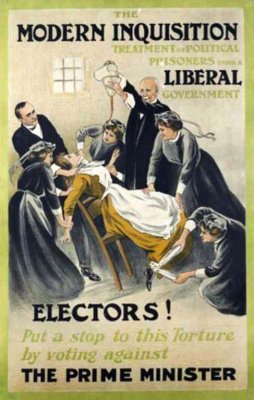
The different treatments of upper class and lower class suffragettes was later uncovered by Lady Constance Lytton. She had been arrested and gone on hunger strike several times, only to be released. But when she was arrested under the alias of Jane Warton her treatment was nothing short of brutal. Force-feeding involved a 4-foot long tube being inserted down a prisoner's throat as she was restrained by wardresses. The doctor would then pour liquid down the tube with no sense of empathy. 'Warton' was slapped and treated with a contempt that many other suffragettes would attest to.
The repercussions to these women's health would range from the immediate issues of infections from dirty tubes, to long-lasting physical and mental scarring. Lady Lytton suffered a stroke 2 years after her imprisonment, as her health had never fully recovered.
Some of the most provocative images from the suffragette movement were inspired by this cruel conduct.
Lilian Hickling and Olive Wharry
- Lilian and Olive (pictured below) had just undergone force-feeding in prison. At the time of her release, Olive Wharry weighed just 5st 9lb.
- The effects of the procedure have clearly had a terrible effect on both women.
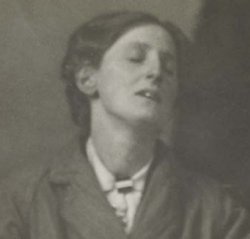
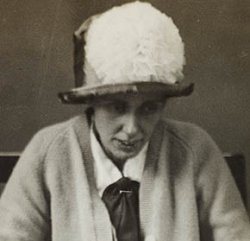
Image descriptions
- Lilian Hickling 57.57/54
Copyright to Museum of London - Olive Wharry 50.82/1300
Copyright to Museum of London - Force feed poster 50.82/1115
Copyright Museum of London